The History and Evolution of Urban Walking Tours
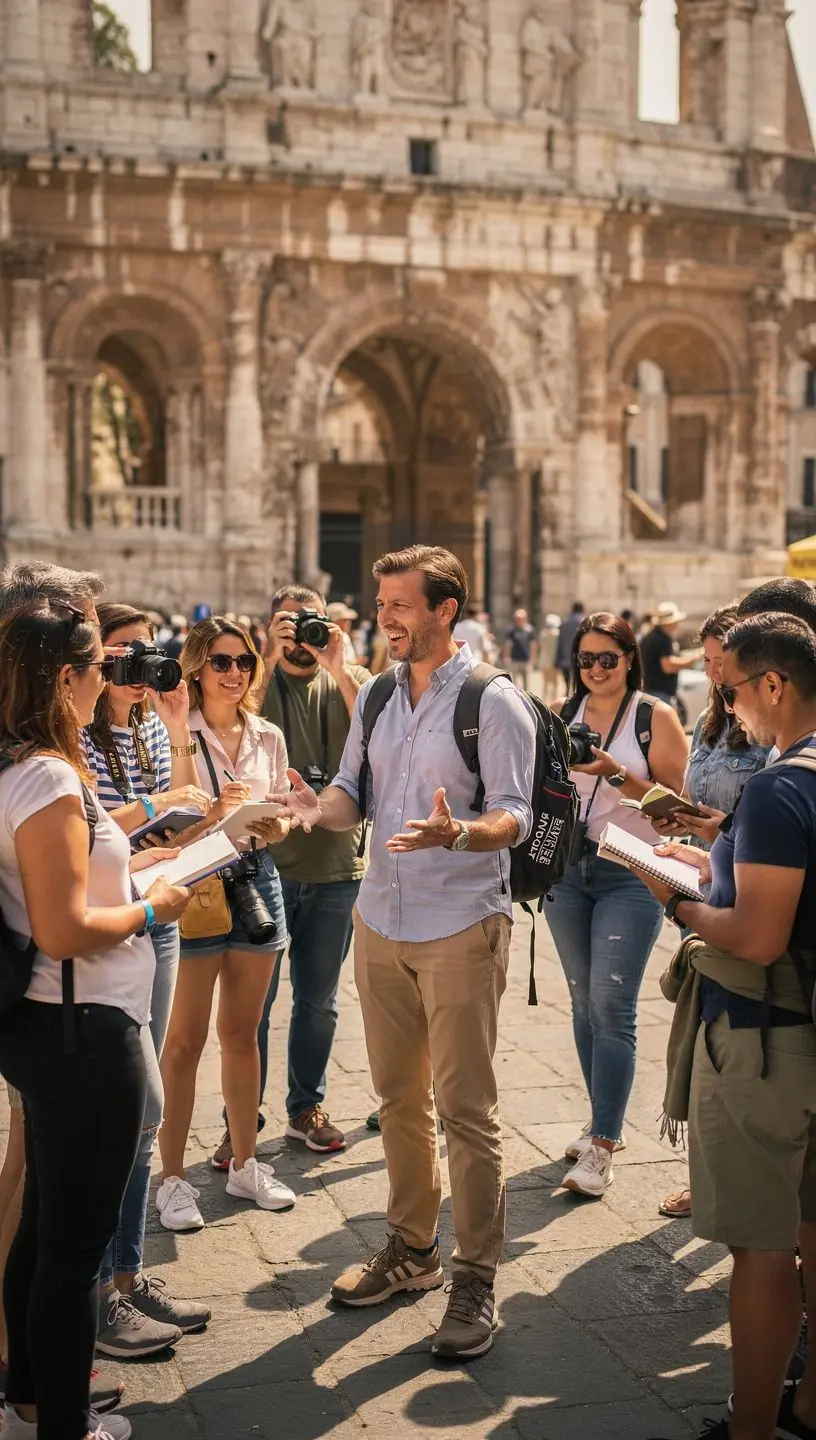
Urban walking tours have become a popular way for locals and tourists alike to explore cities at a leisurely pace. This article delves into the historical context of these tours, their evolution over time, and what makes them an enriching experience today.
Understanding the Origins of Walking Tours
The concept of walking tours dates back to the early 19th century when cities were beginning to industrialize. According to historical accounts, these tours were designed to showcase urban landscapes, allowing participants to appreciate architecture and public art while engaging with their communities. Experts in urban studies suggest that walking tours served as a vehicle for social interaction, often promoting civic pride among residents.

"Walking tours are a way to connect with the city on a deeper level, fostering appreciation and awareness of local culture and history." - City Planning Researcher
The Evolution of Urban Walking Tours
As cities grew larger and more complex, the format of walking tours evolved. By the late 20th century, guided walking tours became established as a commercial sector, often focusing on historical narratives or specific themes, such as art or food. This shift was influenced by an increasing interest in experiential travel. Research indicates that tourists are more likely to seek immersive experiences, leading to the rise of tailored walking tours.
Modern Walking Tours: Diverse Offerings
Today, urban walking tours often cover a wide variety of themes, including:
- Historical Tours: Focused on significant events, architecture, and local legends.
- Culinary Tours: Highlighting local dishes and food culture, often including tastings at local establishments.
- Art Walks: Exploring street art, galleries, and public installations.
- Nature Walks: Emphasizing urban parks and natural landscapes within cities.
In most cases, these tours are designed to educate participants while providing a unique perspective on the urban environment.
The Benefits of Urban Walking Tours
According to various studies, engaging in walking tours can offer several benefits:
- Cultural Awareness: Participants often gain insight into local customs and traditions.
- Physical Activity: Walking tours can promote physical health by encouraging movement, which is particularly beneficial in urban settings where sedentary lifestyles are common.
- Community Engagement: Many users report feeling more connected to their surroundings and fostering a sense of belonging through such experiences.
Challenges and Considerations
While urban walking tours can be highly rewarding, they also come with challenges. Organizers must consider factors such as:
- Weather Conditions: Tours are often affected by unpredictable weather, which can impact attendance and overall experience.
- Accessibility: Ensuring that routes are inclusive for all participants requires careful planning.
- Time Commitment: Depending on the tour's length, some may require a significant time investment, which may not suit every participant.
Conclusion
Urban walking tours represent a fascinating intersection of history, culture, and community engagement. As these tours continue to evolve, they provide not only a means to explore but also a way to foster connections within our urban environments. Whether you are a local or a visitor, participating in a walking tour can enhance your understanding and appreciation of the city you inhabit or are visiting.
Learn More