Understanding the Benefits of Slow Travel Practices
In a fast-paced world, many travelers are rediscovering the joy of slow travel. This approach not only allows for deeper connections with places but also promotes mental well-being and sustainability. In this article, we will explore the benefits of slow travel practices and how they can enhance your travel experience.
What is Slow Travel?
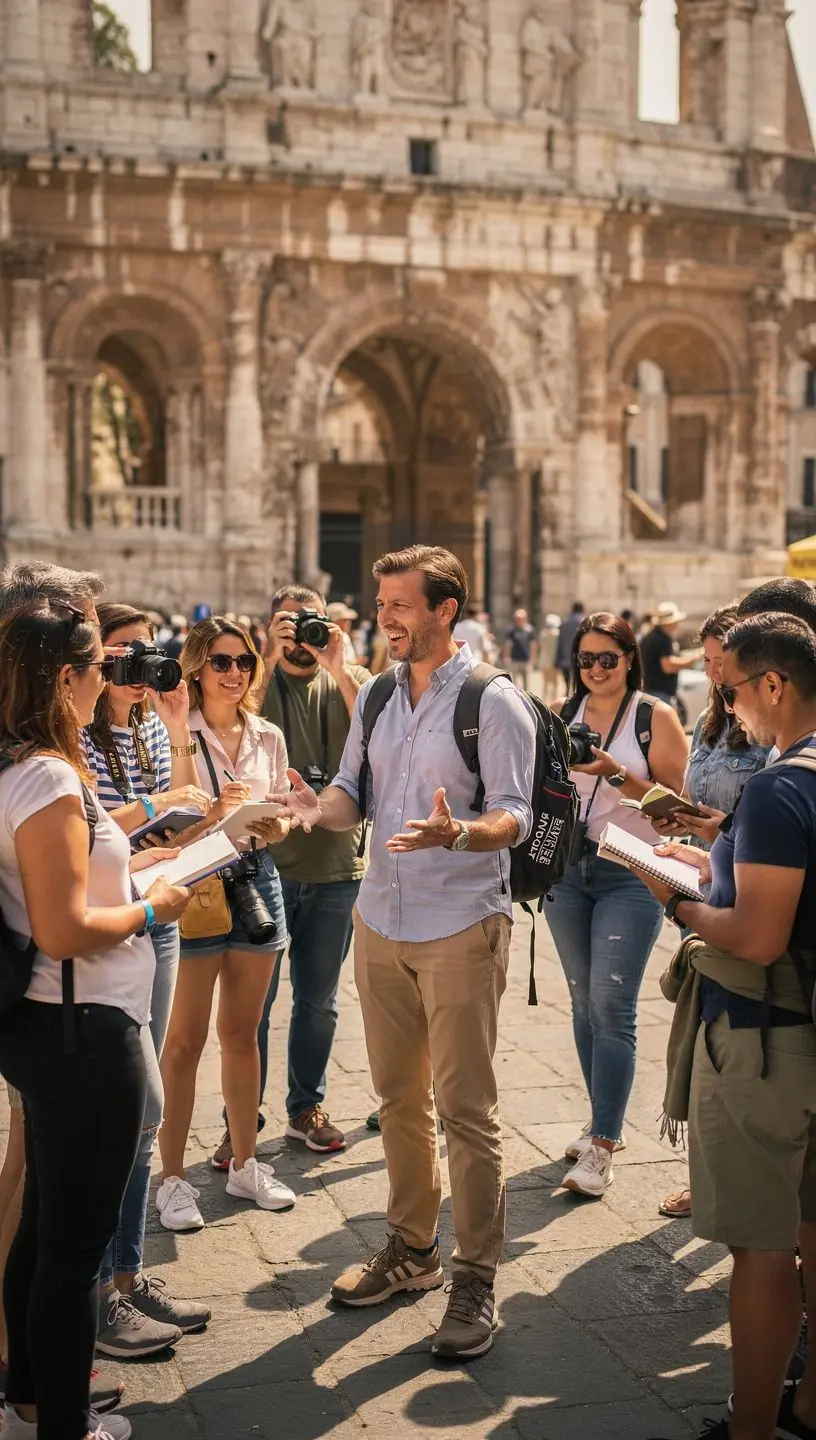
Slow travel is a mindset and approach to travel that emphasizes quality over quantity. Rather than rushing from one destination to another, slow travelers typically spend more time in fewer locations, immersing themselves in the local culture, environment, and community. According to research from the Global Sustainable Tourism Council, this approach can lead to more meaningful experiences and greater respect for the places visited.
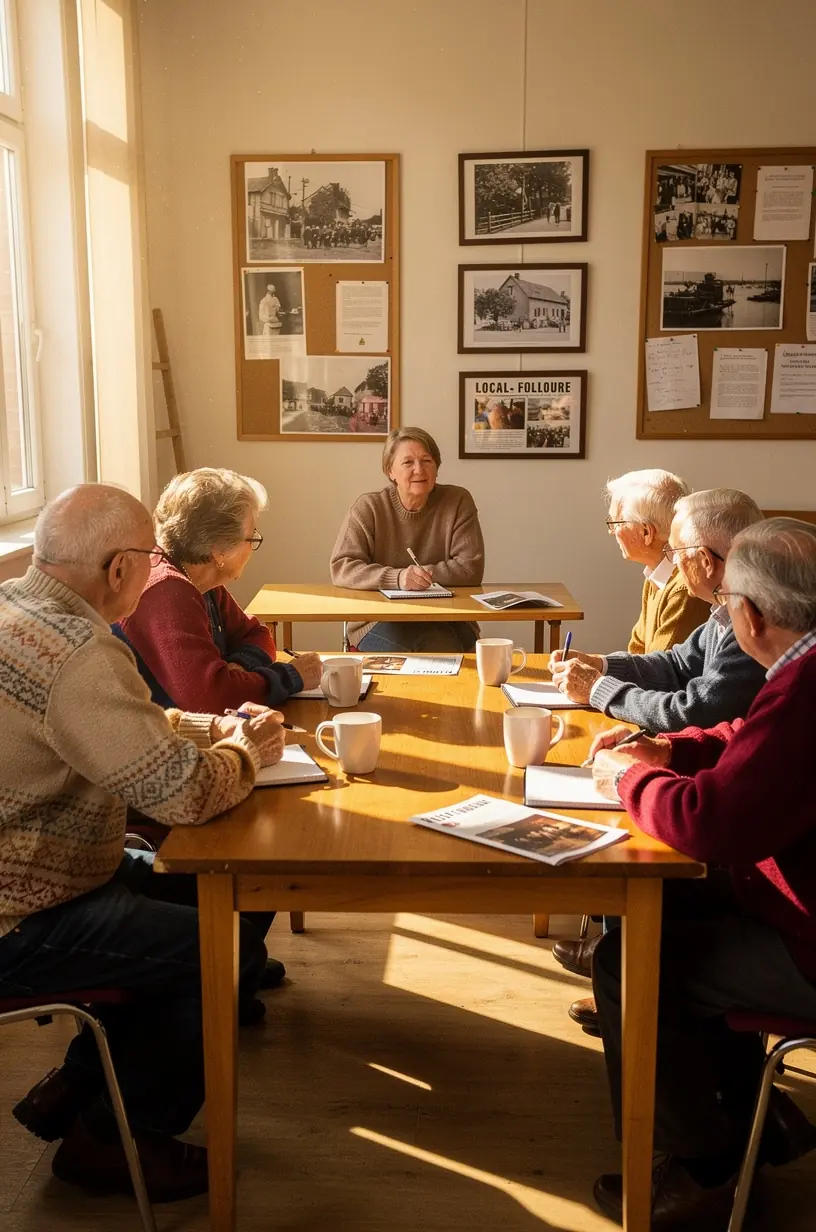
"Traveling slowly allows you to connect deeply with your surroundings and those who inhabit them." - Travel Expert
The Benefits of Slow Travel
- Deeper Cultural Connections: Many users report that spending more time in one place allows for authentic interactions with locals, leading to a better understanding of the culture.
- Environmental Sustainability: Slow travel typically reduces the carbon footprint associated with frequent travel. Studies indicate that longer stays in fewer locations contribute to more sustainable tourism practices.
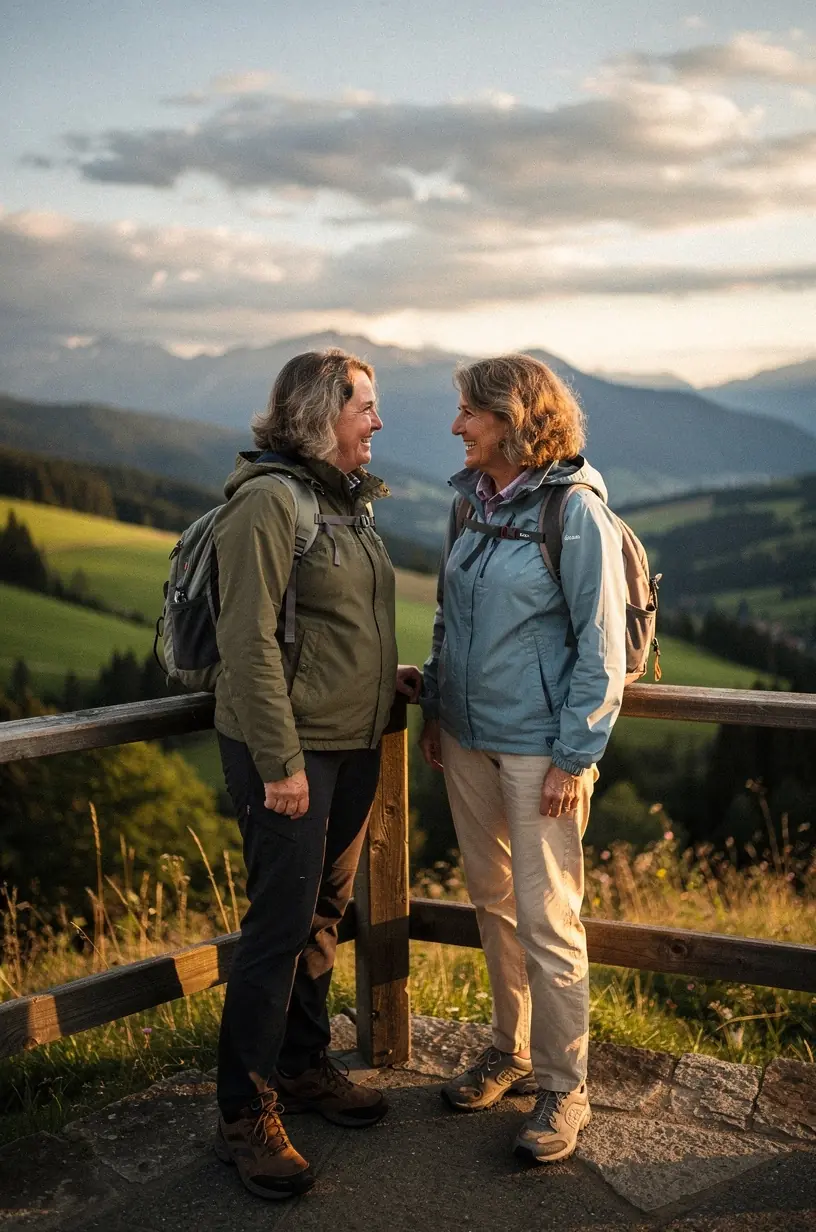
- Mental Well-being: Research suggests that slowing down during travel can reduce stress and anxiety. The American Psychological Association recommends immersion in environments that promote relaxation as a way to enhance overall mental health.
How to Practice Slow Travel
Incorporating slow travel into your journey can be a rewarding experience, but it often requires a shift in mindset. Here are some practical steps to help you embrace this approach:
- Choose Your Destinations Wisely: Focus on locations that resonate with you and allow for exploration. Typically, this means selecting fewer places to visit on a trip.
- Plan for Longer Stays: Allocate more time in each destination—experts recommend at least three to five days to truly soak in the atmosphere.
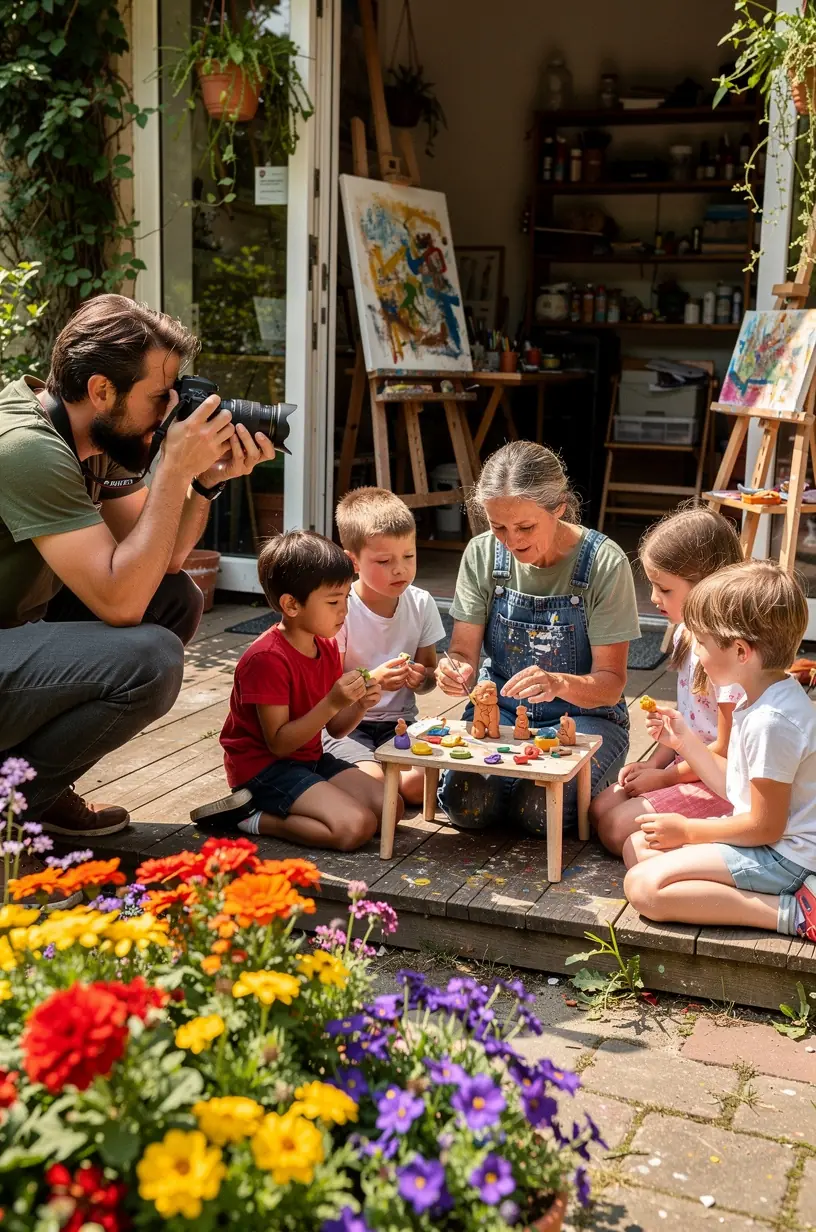
- Engage with Local Experiences: Participate in community events, cooking classes, or guided walks to learn from local residents. This works best when you approach it with an open mind and a willingness to learn.
Conclusion
Slow travel offers a myriad of benefits that can enrich your travel experiences. By taking the time to immerse yourself in your surroundings, you not only enhance your understanding of the destination but also contribute to its sustainability and respect its culture. While it may require a shift in how you typically travel, the rewards of forging deeper connections and enhancing your mental well-being can make the journey more fulfilling. Consider adopting slow travel practices on your next adventure, and experience the difference for yourself.