How to Design Meaningful City Walking Routes
Exploring a city on foot can reveal hidden gems and unique experiences. Designing meaningful walking routes involves thoughtful planning that engages participants and highlights the city's character. This article provides practical insights into creating effective walking routes that offer both enjoyment and education.
Understanding the Basics
Creating a meaningful city walking route typically requires an understanding of the city's culture, history, and geography. According to urban planning experts, a successful walking route should reflect significant local landmarks and engage participants with storytelling elements. This approach not only enhances the walking experience but also fosters a deeper connection with the city's identity.
"A well-designed walking route can transform an ordinary stroll into an enriching exploration of local heritage." - Urban Planning Expert
Key Elements of a Meaningful Walking Route
- Historical Context: Incorporate areas with rich historical significance. Studies show that routes featuring historical sites can enhance participants' understanding of local culture and boost overall engagement.
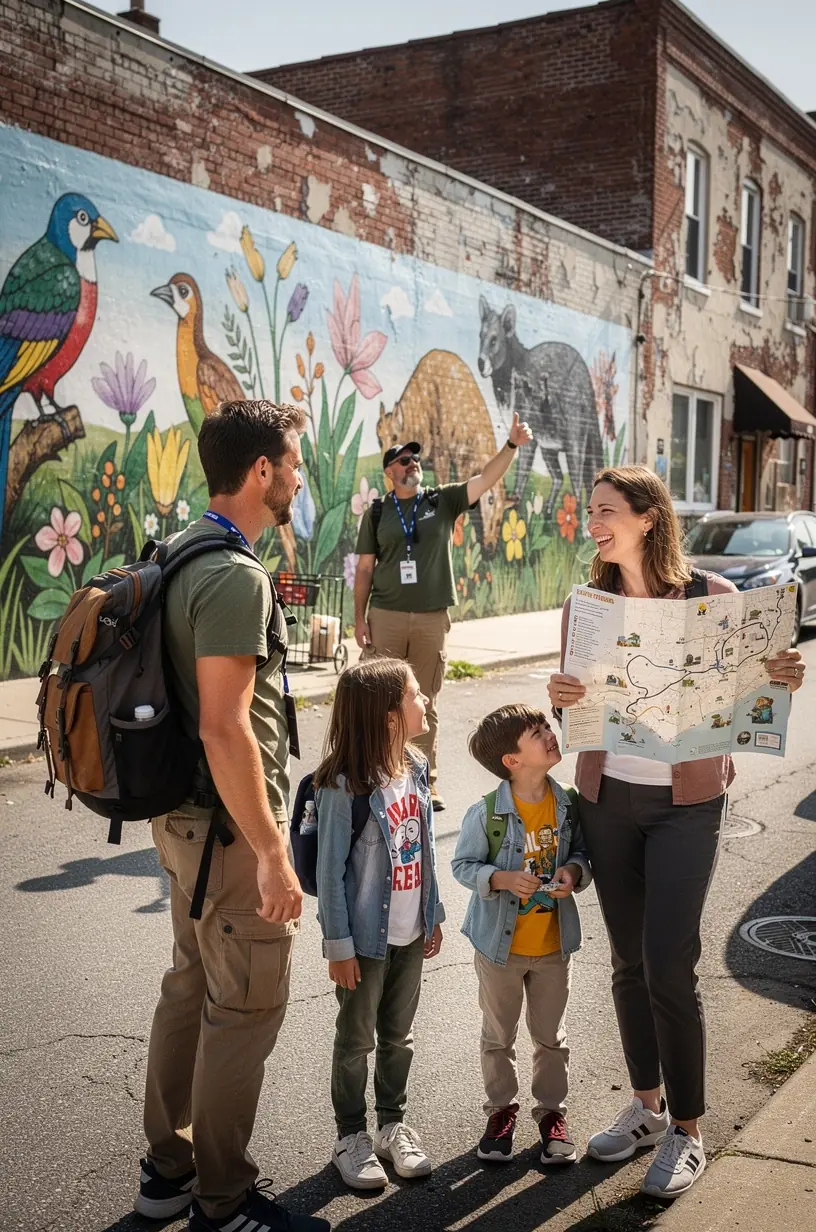
- Interactive Elements: Integrate opportunities for engagement, such as local art installations or community gardens. Research indicates that interactive features can improve visitor satisfaction and encourage repeat explorations.
- Accessibility: Ensure that the route is accessible to all, including individuals with mobility challenges. According to the Americans with Disabilities Act (ADA), accessible paths should be at least 36 inches wide and free of obstacles to promote inclusiveness.
Practical Steps to Create Your Route
Designing a walking route can be an exciting process. Here’s a step-by-step approach:
- Research and Map: Start by researching your city’s history, culture, and interesting sites. Use mapping tools to visualize your route. Many urban planners recommend leveraging community input during this phase.
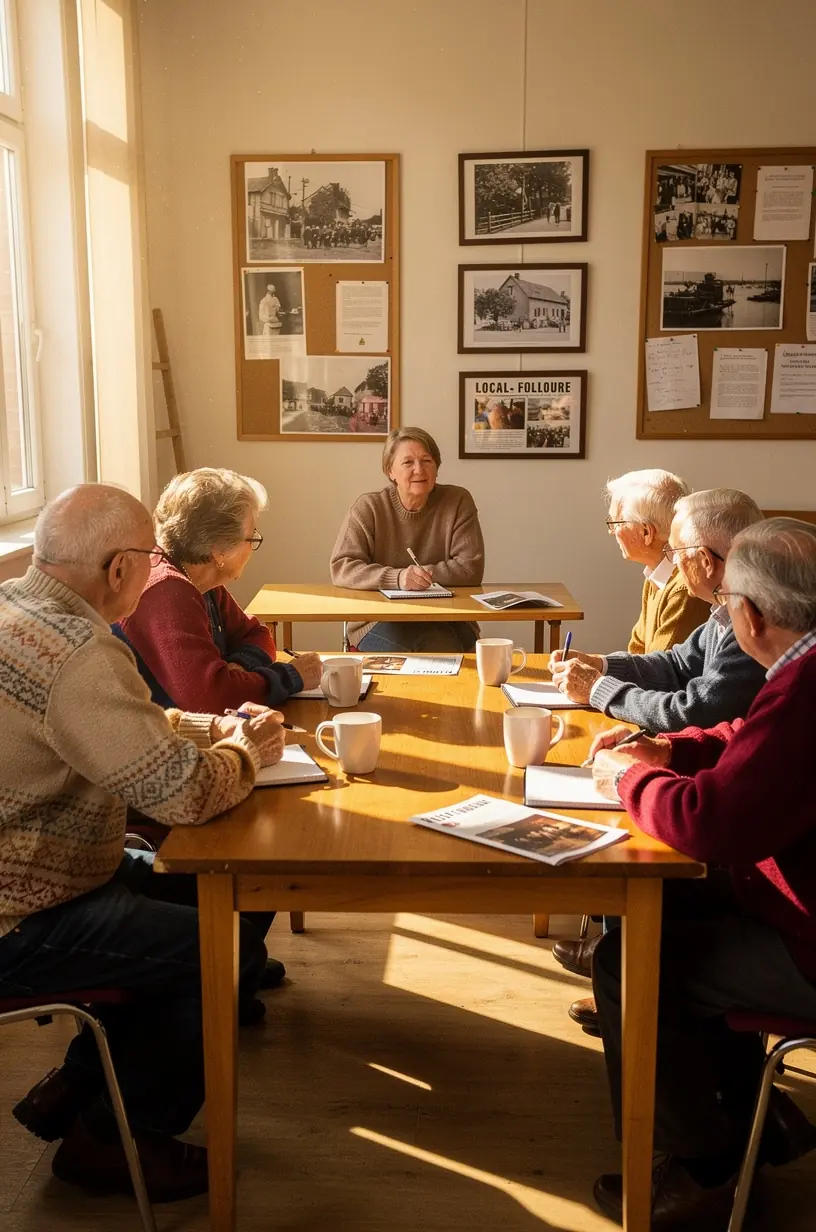
- Engage Local Experts: Collaborate with local historians, artists, and community groups. Their insights can help to highlight lesser-known attractions and create a more authentic experience.
- Test the Route: Walk the proposed route yourself and gather feedback from others. This step allows you to identify any potential issues, such as safety concerns or accessibility challenges.
Building a Community Around Your Route
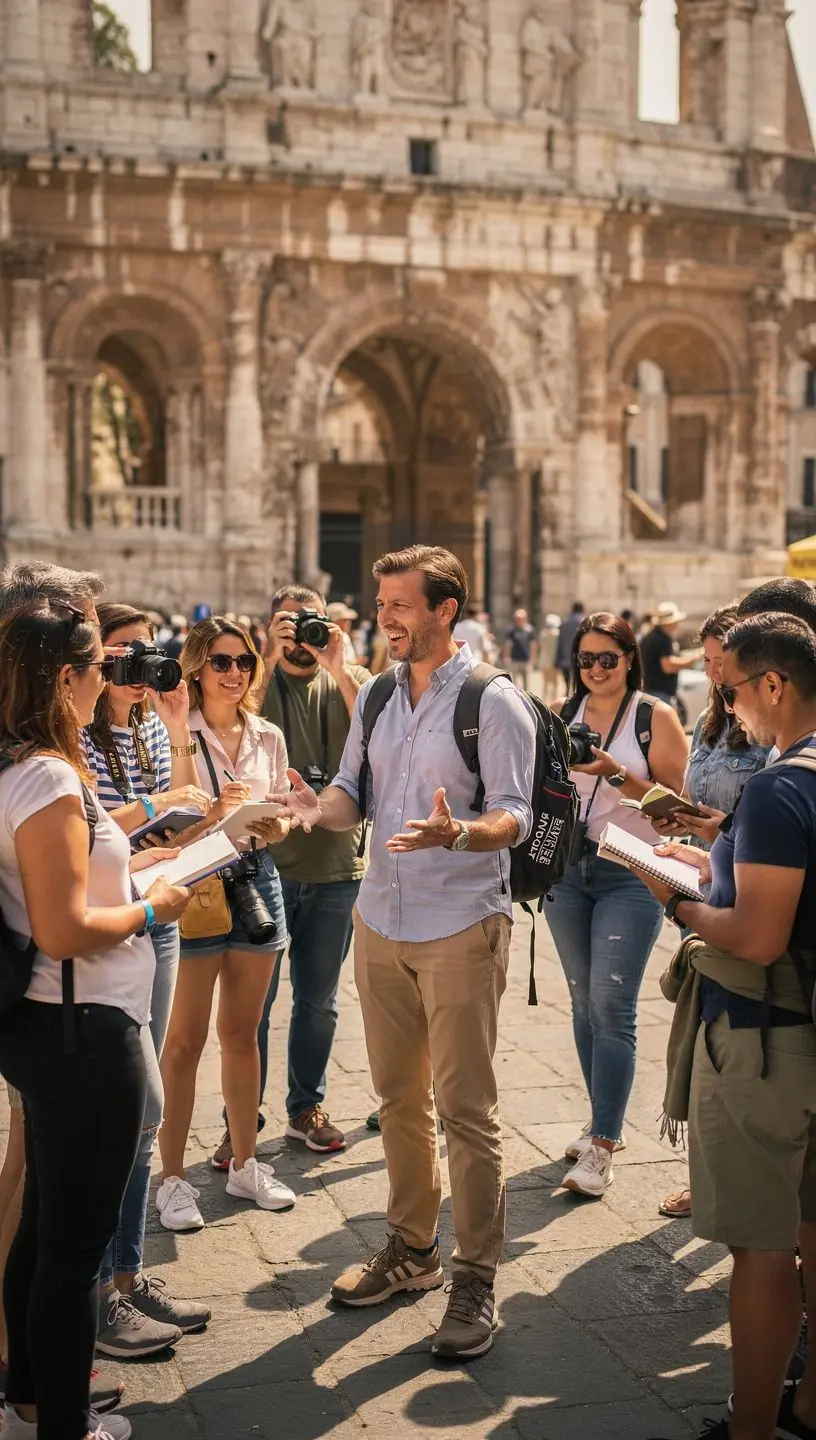
Once you have designed your walking route, consider promoting it through local events or social media. Many organizations find that offering guided experiences can also enhance the route's appeal, as guides can provide additional context and stories that enrich the experience.
Conclusion
Designing meaningful city walking routes is an undertaking that requires careful thought and collaboration. By focusing on historical context, accessibility, and interactive elements, you can create an engaging experience that resonates with participants. Remember, the goal is not only to promote exploration but also to foster a genuine connection to the city’s culture and community.
Learn More