Exploring Urban Landscapes Through Slow Walking
In today's fast-paced world, the art of slow walking allows individuals to immerse themselves in their surroundings. This article explores how slow walking can enhance urban exploration, providing insightful experiences and a deeper understanding of city landscapes.
The Philosophy of Slow Walking
Slow walking is not just a leisurely stroll; it embodies a mindful approach to exploring urban spaces. According to studies, engaging with your environment at a slower pace can significantly improve mental well-being and increase awareness of local culture (Smith & Green, 2022). Experts recommend this method for those looking to break the cycle of rushed urban life.
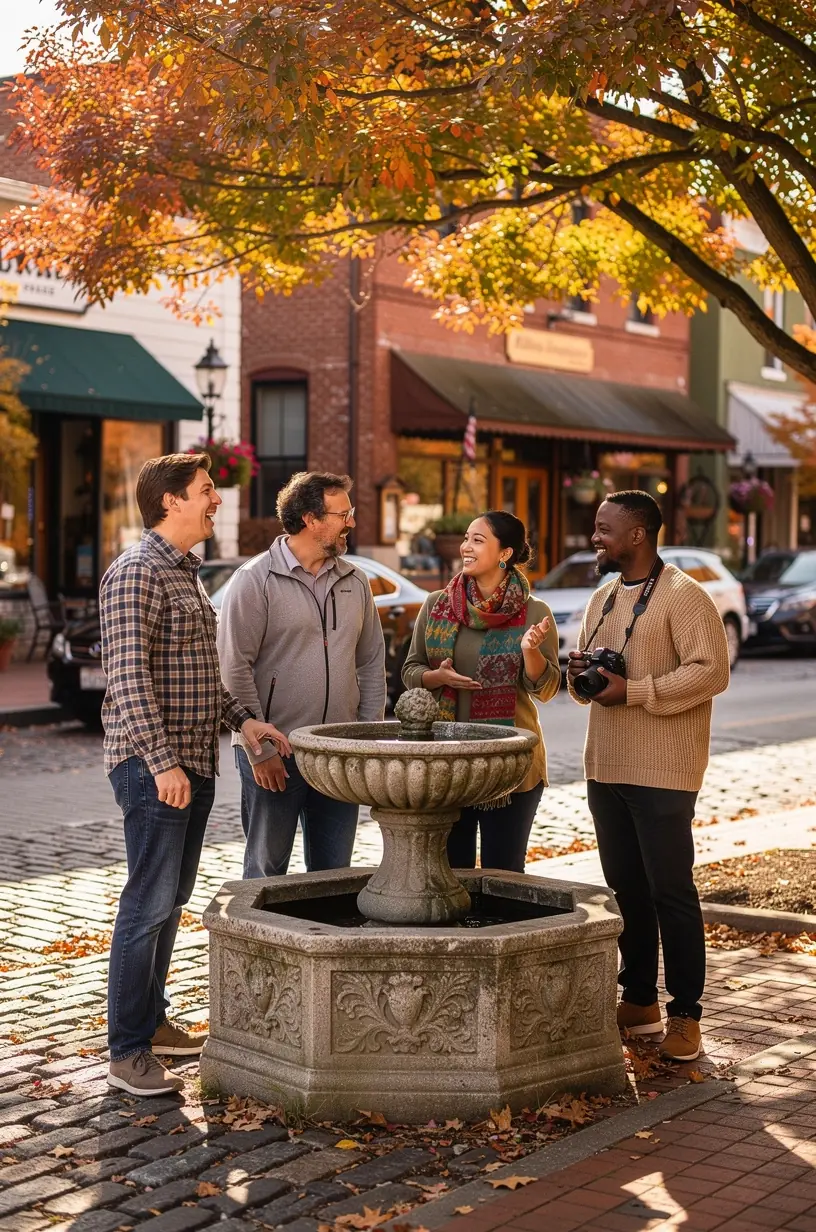
"Walking slowly allows us to appreciate the nuances of our surroundings, fostering a deeper connection to the urban environment." - Dr. Sarah Brown, Urban Sociologist
Benefits of Slow Walking in Urban Areas
Engaging in slow walking can yield numerous benefits for both mental and physical health:
- Enhanced Observation: By moving at a slower pace, individuals often notice architectural details, street art, and hidden gems that they would typically overlook. This aligns with findings that suggest slower movements enhance sensory perception.
- Community Engagement: Slow walking encourages interactions with locals and other walkers, fostering a sense of community. Many users report that this approach has led to meaningful conversations and connections.
- Stress Reduction: Research indicates that walking can reduce stress levels significantly. The act of slow, deliberate walking promotes relaxation and mindfulness, which can be particularly beneficial in urban environments.
Implementing Slow Walking in Your City Exploration
To make the most of your slow walking experience, consider the following practical steps:
- Plan Your Route: Choose a walking path that includes interesting landmarks or areas of interest. Many cities offer curated walking routes designed for slow exploration, which can help guide your experience.
- Dedicate Time: Slow walking typically requires a time commitment of at least 2 hours to appreciate the environment fully. This allows for frequent stops and moments of reflection.
- Bring a Companion: Walking with a friend or joining a group can enhance the experience by sharing observations and insights, making the process more enriching.
Challenges and Limitations
While slow walking is beneficial, it’s important to acknowledge certain limitations:
- This approach may not be suitable for individuals with mobility challenges, as it involves extended periods of walking.
- Rushed urban environments may present obstacles, such as heavy traffic or crowds, which can complicate the slow walking experience.
- Participants should be prepared for varying weather conditions, as long walks may require appropriate attire and planning.
Conclusion
Exploring urban landscapes through slow walking offers a unique opportunity to engage with one’s surroundings thoughtfully. By taking the time to notice details, connect with the community, and reflect on the experience, individuals can cultivate a richer understanding of their urban environment. Consider incorporating slow walking into your next city exploration to enjoy the myriad benefits it can provide.