Creating a Connection with City Culture Through Walking
Exploring a city on foot can be an enlightening experience, offering a unique opportunity to engage with local culture and history. This article discusses how walking can foster a deeper connection with urban environments and why it's an effective method for cultural exploration.
Understanding the Importance of Walking in Urban Exploration
Walking through a city provides a tactile experience that encourages interaction with the environment. According to research conducted by the University of California, individuals who engage in walking tours often report greater emotional connections to the places they visit. This connection is often attributed to the slower pace, which allows for observation and reflection on surroundings.
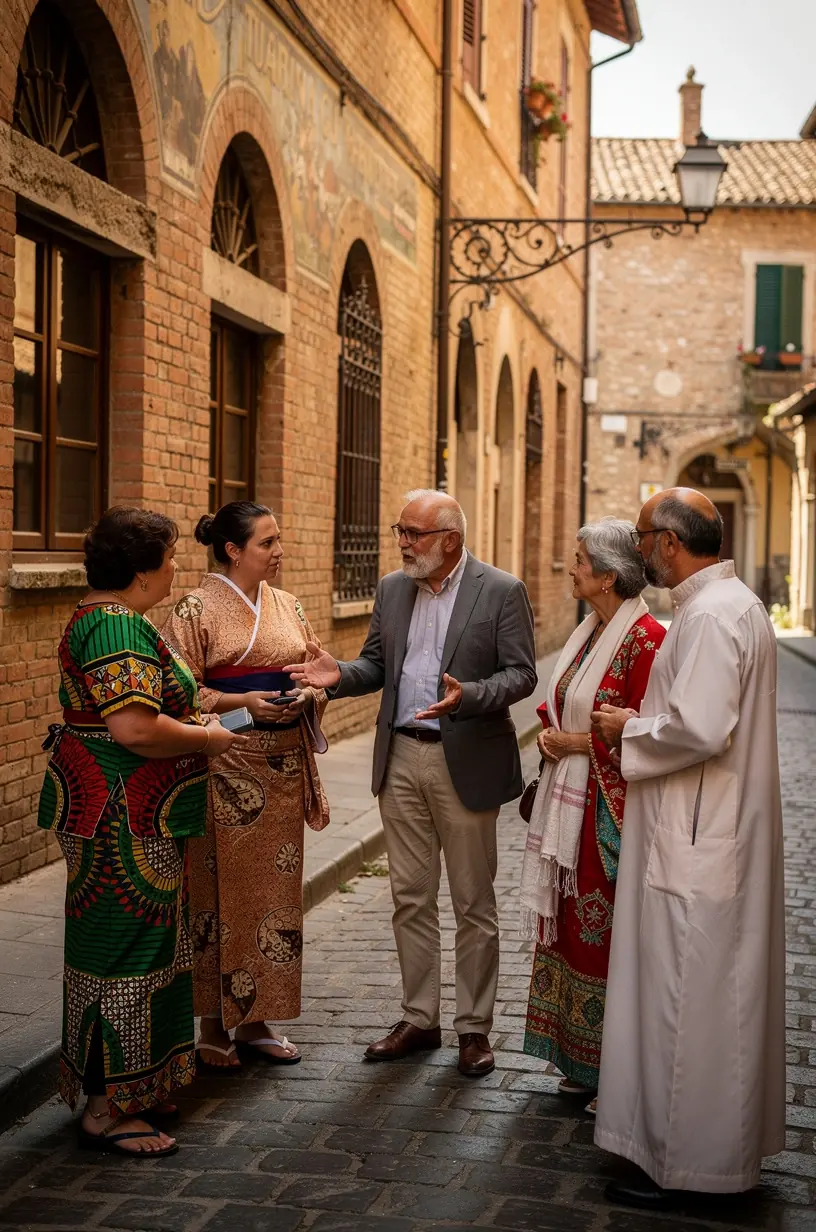
"Walking allows you to experience a city more intimately, providing a sensory engagement that is often lost when traveling by car or public transport." - Urban Studies Expert
How Walking Promotes Cultural Understanding
Many users report that walking not only enhances their awareness of physical landmarks but also enriches their understanding of local culture. This is due to several factors:
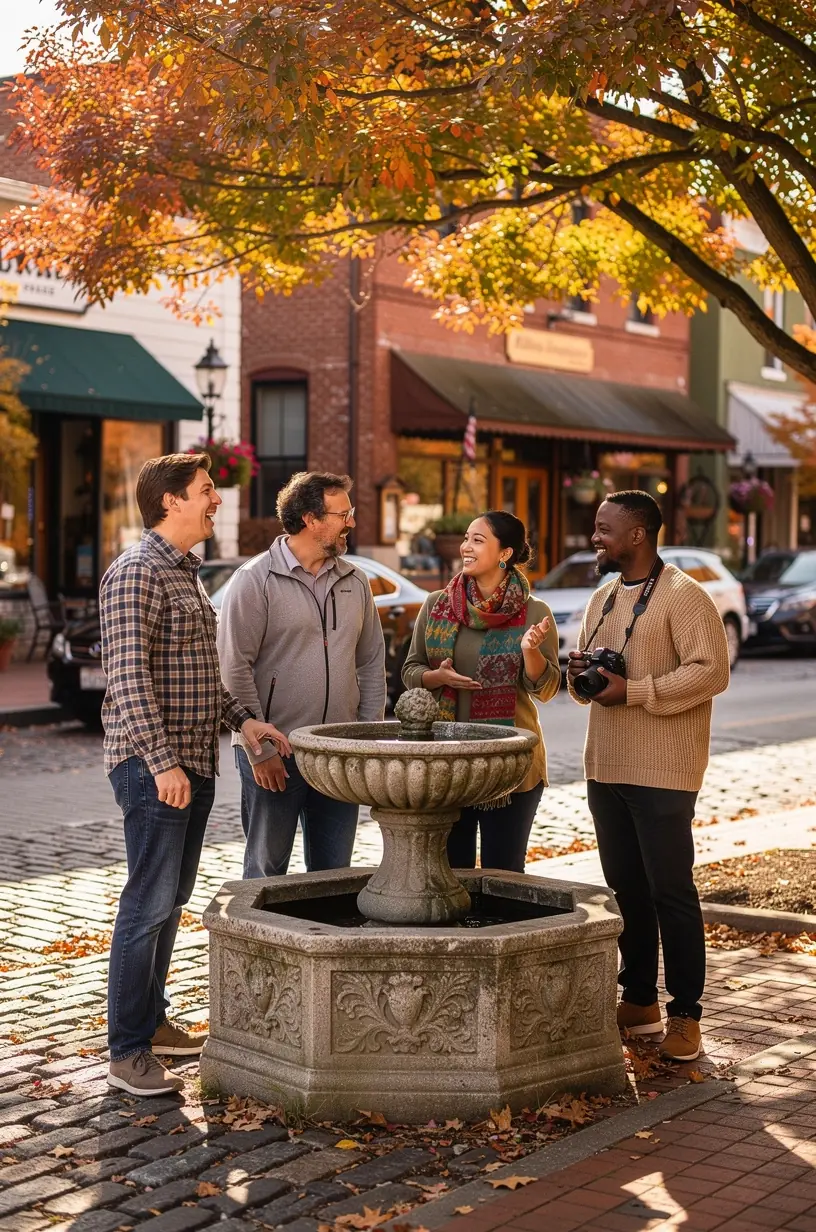
- Interaction with Locals: Walking through neighborhoods often leads to spontaneous conversations with residents, providing insights into their lives and traditions.
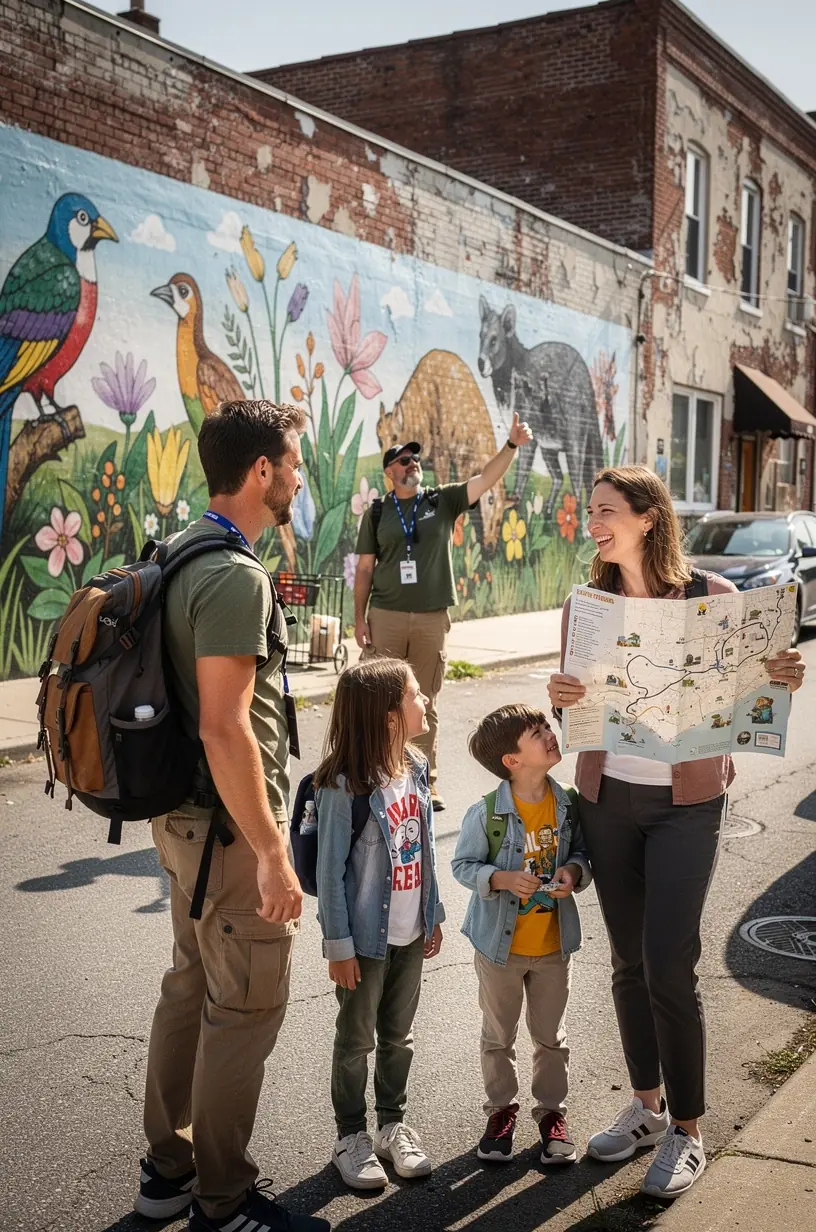
- Access to Hidden Gems: Many cultural sites, such as murals, small galleries, or local eateries, are not easily visible from main roads. Walking often leads to discovering these unique spots.
- Historical Context: Many cities offer guided walking tours that explain the history behind certain areas, helping walkers appreciate the evolution of urban culture.
Planning Your Walking Exploration
To maximize the benefits of city walking, consider the following practical steps:
- Choose a Route: Research various walking routes available in the city. Websites like Walking Tours USA provide maps and itineraries tailored for cultural exploration.
- Allocate Sufficient Time: Most walking tours typically take 2-4 hours, depending on the distance and number of stops. Make sure to plan accordingly to avoid feeling rushed.
- Engage with Guides: Participating in guided walking tours can provide expert insights. Studies show that guided experiences enhance enjoyment and understanding, often revealing details that may not be obvious to independent explorers.
Challenges and Limitations
While walking can be a rewarding way to explore a city, it does come with some limitations. Walking tours typically require a commitment of time and energy, as they can involve several hours of movement. Additionally, weather conditions can impact your experience; it’s advisable to check the forecast and dress appropriately. Finally, some areas may not be suitable for walking due to safety concerns, so always prioritize your safety and well-being.
Conclusion
Walking serves as a powerful tool for connecting with urban culture. By engaging with the city at a slower pace, you open yourself up to new experiences and insights that deepen your understanding of the place you are visiting. While it requires time and effort, the rewards—such as enhanced awareness and unique encounters—make it worthwhile. Whether you're a tourist or a local, consider taking a walk to truly appreciate the culture that surrounds you.
Learn More