Understanding Safety and Accessibility in Urban Walks
Exploring cities on foot can be a rewarding experience, offering a unique perspective on urban life. However, ensuring safety and accessibility during these walks is essential for an enjoyable adventure. In this article, we'll delve into practical strategies and insights to enhance your urban walking experience.
Understanding the Basics of Safety in Urban Walking
Safety is a crucial consideration when planning urban walks. According to research conducted by the National Highway Traffic Safety Administration (NHTSA), pedestrian fatalities have been on the rise, highlighting the need for awareness and caution while navigating city streets. Many urban planners recommend evaluating walking routes for safety factors such as traffic volume, street lighting, and crosswalk availability.

"Awareness of your surroundings and using safe walking routes can greatly reduce risks while exploring cities on foot."
Accessibility Considerations for Urban Walks
Accessibility is another vital aspect of urban walking. Cities across the U.S. have made strides in improving accessibility, yet challenges remain. The Americans with Disabilities Act (ADA) sets standards for accessible design, but adherence varies. Many users report that areas with well-maintained sidewalks and clear signage enhance their walking experience.
Practical Steps for Enhancing Safety and Accessibility
- Research Your Route: Before heading out, use online resources to check for walkability scores and street conditions. Websites like Walk Score can provide valuable insights.
- Plan for Environmental Factors: Weather conditions can affect safety; for instance, rain can make surfaces slippery. Always consider the forecast and dress appropriately.
- Stay Aware and Alert: Engaging with your surroundings can be particularly beneficial. Experts recommend avoiding distractions such as mobile devices while walking
Community Resources and Support
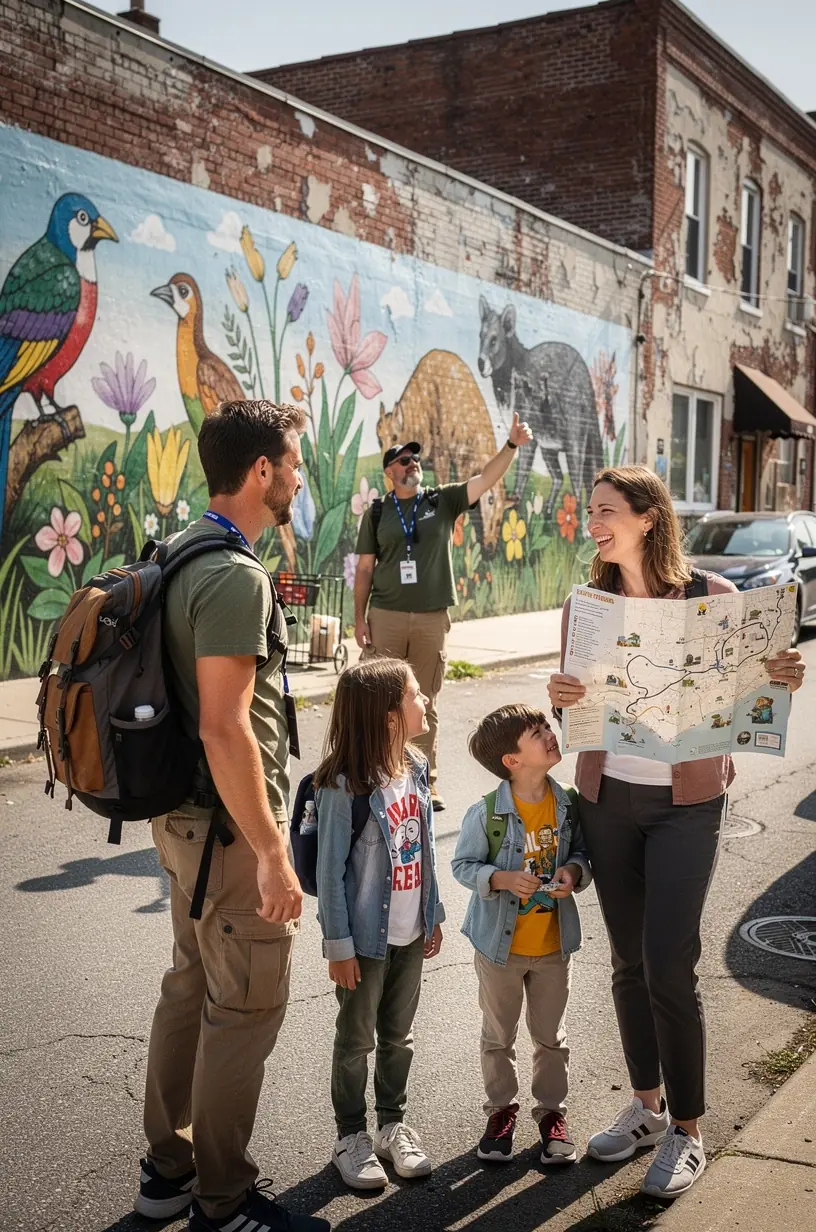
Many cities offer community resources geared towards safe and accessible walking. Local organizations often host guided walking tours designed to highlight safe routes and educate participants on urban navigation. Additionally, city websites typically provide information on pedestrian-friendly initiatives and resources.
Engaging with Local Authorities
Involving local authorities can be beneficial, especially if you encounter unsafe or inaccessible areas. Reporting concerns can lead to improvements in infrastructure, ensuring a safer environment for future walkers. In some cases, city officials may implement changes based on citizen feedback, reinforcing the importance of community engagement in urban planning.
Conclusion
Urban walks offer a unique opportunity to connect with your surroundings, but prioritizing safety and accessibility is essential. By planning routes, staying aware of environmental factors, and engaging with local resources, walkers can enhance their experiences. Remember, the journey is just as important as the destination, so take the time to explore your city thoughtfully and safely.